We hope you enjoy reading this blog post
If you need help with website or marketing, book a call with our team for a free 360° overview and actionable recommendations report. Book a call

If you need help with website or marketing, book a call with our team for a free 360° overview and actionable recommendations report. Book a call
There was always the lingering hope that by now we would be living in the Jestson era. But as advancement would have it, we’re several generations away from that. Maybe. Millennials are not only known for that allegedly awkward pause. They, along with Gen Z are the two most studied generations in marketing, yet somehow remain the most misunderstood. Brands are continuously trying to “crack the code,” as if both generations are puzzles instead of people who grew up in rapidly shifting worlds.
But why are brands on this endless campaign to gain the trust of this particular set of people?
The goal of every marketer or brand is that semi-magical movement when copy meets graphics, a compelling ad buy, and a naturally piqued interest that leads to a fulfilling partnership. The chase for that epiphany, the trust that builds bonds, is the deciding factor, but what gets millennials and even Gen Z to that place?
In this post, we will unpack what brands can do to earn the attention of millennials and Gen Z instead of begging for it.
An earlier post sparked this journey and is still the most compelling place to start this exploration. You can read more here: What is a Xennial Generation? New Marketing Opportunity
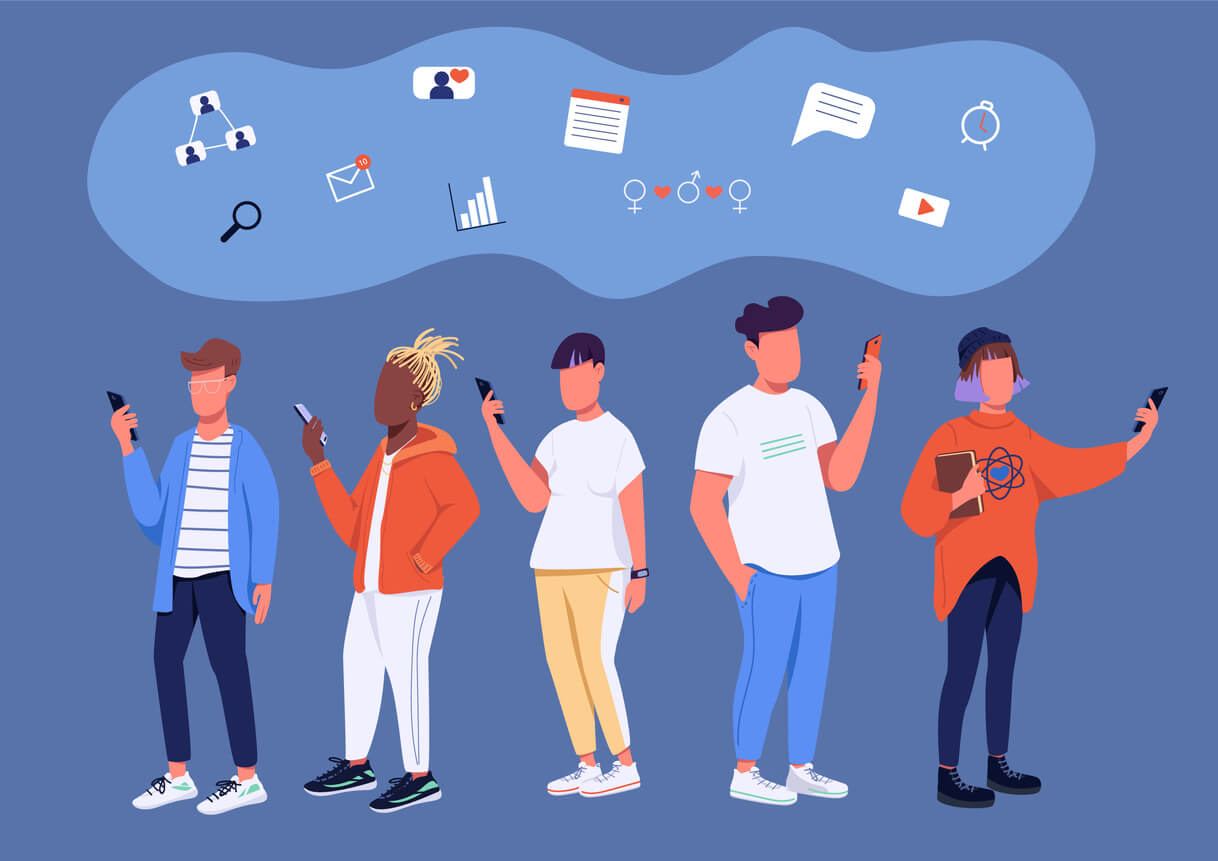
Almost every company has a mixed generation in its organization. Let’s look at who these millennials are. Born between the years 1981 and 1996, millennials are the digital natives with analog childhoods. They went from dial-up to smartphones and ushered in the great social media era, from coding MySpace profiles to navigating multiple platforms. Most of them are naturally tech comfortable while not fully tech dependent. This makes them annoyingly unique, and they know it.
Now, Gen Z, that cusp born between 1997 and 2012, was already living the life with high-speed internet, on-demand everything, and a social algorithm that knows them suspiciously all too well.
This means that both generations share common traits shaped by their online experience. They are media literate, research heavy, highly allergic to the fluff (which sometimes hold true) and understand how brands operate.
Your entire marketing conversation with them is based on trust. Millennials, having lived through recessions, student debt crises, plus the rise and fall of countless brands promising innovation with nothing to show, they’ve grown skeptical and deeply aware of marketing manipulation.
They do not just accept slogans and gimmicks; they demand proof. Studies show that roughly 84% of millennials say online reviews and user-generated content influence their purchases. In practice this means peer recommendations and social proof carry far more weight than any flashy ad. As one marketer put it, these consumers “don’t want to be marketed to; they want to be engaged,” so if you’re not genuine, they will tune you out.
When search engines track user signals, trust shows up there too: time on page, low bounce rates, deeper engagement. Authenticity strengthens SEO as much as it strengthens loyalty.
To engage them, your content must meet millennials on their terms. They respond to stories and information that educates or entertains, not to cold sales pitches.
Use plenty of visuals: infographics, short videos, memes, simple formats that can cut through the noise. For example, older millennials may appreciate in-depth videos or white papers, while Gen Z gravitates toward quick, TikTok-style clips.
Think about pop-culture hooks or case studies to make your point. Whatever the medium, make sure the content is mobile-friendly and actionable. Millennials expect information instantly, on whatever device they have (smartphone, tablet, etc.). If your site or video loads slowly or is hard to navigate, they’ll move on. Always include a clear call to action so interested viewers can immediately learn more or sign up.
Finally, leverage the right platforms: for B2B audiences, LinkedIn in particular can be powerful. Regularly posting quality content on LinkedIn (e.g. industry tips, infographics, short posts) pays off. Did you know that LinkedIn ads get about 4× more engagement than email, and active company pages grow far faster?
Millennials and Gen Z expect a new style of marketing. In practice, top B2B brands are using strategies like these:
For example, if you claim to support a cause, highlight your initiatives and results. If you promise transparency, share case studies or customer testimonials. This generation will notice if a brand’s online persona doesn’t match its real-world behavior. In short, “be transparent, inclusive, and socially responsible,” as one guide advises – doing so builds trust that directly increases conversions.
Also personalize the message: address the specific industry or challenges a buyer faces. Use account-based marketing (ABM) tactics to send content crafted for key decision-makers. Remember one general rule: if the content speaks directly to a person’s situation, it’s much more likely to engage them. As one expert puts it, “match content types and platforms to generational preferences for maximum engagement”.
Businesses that evolve in this manner not only maintain their competitiveness but also earn the trust and loyalty of younger generations, who collectively form the most significant consumer demographic of the future.
The real change isn’t about targeting Millennials or Gen Z. It’s about embracing a marketing approach rooted in honesty, relevance, creativity, and community.
When your brand has something meaningful to say and can back it up with evidence, these generations take notice. Consistent engagement helps them remember you. Authenticity inspires them to advocate for you without prompting.
This is the true value: audiences who not only purchase from you but also believe in your mission.
The next generation of consumers, Gen Alpha, is already adopting these expectations. Brands that build trust now will not only connect with today’s buyers but also influence the habits of tomorrow.
The future of marketing is moving toward a slower, more transparent, and more human approach. The brands that commit to this vision will be the ones that thrive.


Please complete the form below and one of our team members will be in touch shortly.